
FROM IMAGERY TO COMMENTARY
A conversation between Hasaan Kirkland, Curatorial Manager of ARTE NOIR, and Elisheba Wokoma, Co-Founder of Wa Na Wari, on art collecting, estate planning, and the role of art in sustaining generational legacy.
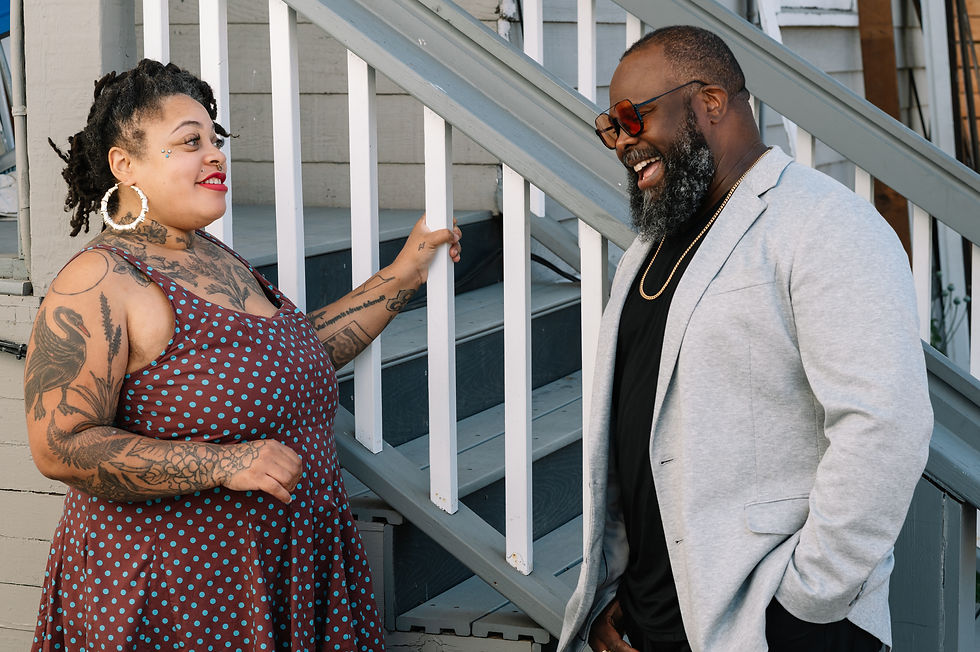
What does it mean to plan for legacy beyond property, policies, and paperwork? For many Black families, the answer also lives in the art we collect, display, preserve, and pass down. In this conversation with Elisheba Wokoma, she explored how art can serve as both a cultural memory and a family asset. Her reflections offer a practical reminder: when art is named, documented, loved, and included in estate planning, it can help protect stories, values, and wealth for the generations that follow.
In Black communities, conversations about legacy, family, and generational wealth often surface at reunions, graduations, and neighborhood cookouts. The question is how often those conversations turn into clear, practical steps. In this meaningful exchange, Elisheba offered essential reminders on bringing art into a Black family’s generational wealth plan.
As Elisheba and I talked, we reflected on how family memory is often shaped by systemic barriers to wealth-building, including limited access, financial discrimination, predatory practices, and a lack of exposure or planning. These forces have cost families their homes, neighborhoods, artifacts, and wealth. We agreed that estate planning, art collecting, and recognizing art as both a cultural and financial asset can help protect family legacies and guide future generations.
Elisheba spoke clearly about the need to plan for what happens to the art collected. The goal is not only to decide who receives what, but to treat art as a valued family asset, much like a home. Elisheba spoke candidly about her own connection to art, collecting, and family planning: “Buy art because you love it and it speaks to you, and if it doesn’t, it’s not your time.” She suggested that once you start or realize you have something valuable, create a simple catalog—such as an Excel spreadsheet or shared document—with the artist’s name, medium, year, and purchase price to support future appraisal. She also encouraged the creation of written directives, including a will, a trust, a power of attorney, and specific instructions for art collections. She also noted that if art is not kept in the family, trusted art-collecting agencies, museums, or institutions are stronger options than local thrift shops or Goodwill. Cataloging art helps preserve memories, values, wisdom, and wealth; without a plan, families risk confusion, financial missteps, and the loss of their legacy.

Lastly, our discussion turned to art as a financial resource within a family plan. Elisheba spoke about the value art can hold when it is inherited, purchased, gifted, or collected. Too often in Black communities, art is dismissed or overlooked due to apathy, lack of knowledge, limited exposure, sticker price, or cultural assumptions about who can invest in art. These limitations can lead to many missed opportunities. When considering the value of art found in the family or purchased to grow a collection, it should be understood that the art market is wide-ranging. This fact will benefit families who engage in art collection as they make decisions informed by knowledge, exposure, and self-worth. Once it is understood that a family has a collection of art, or even a single work of art that feels more substantial than a poster or church fan, one of the first things to do is to have your art appraised. Getting a professional appraisal can help determine a work's value and place it within the broader art market. While not every piece will generate a substantial return, understanding what a family owns is an important first step. Knowing that your art belongs in a global, billion-dollar market means it carries meaningful financial value.
From my conversation with Elisheba, she offered simple, easy reminders about art and family planning that should happen sooner rather than later—primarily before illness or cognitive decline affects decision-making. This is especially important in Black households, where dementia, Alzheimer’s disease, cancer, diabetes, and other conditions can threaten those who make decisions regarding family legacies. From a personal standpoint, collectors and families who have art to cherish should organize it all in a clear catalog so it can be understood, cared for, and thoughtfully included in the family plan.
A recap of Elisheba’s suggestions:
Have an estate and family art collection planning conversation (to discuss)
Assets: Homes, land, businesses, or real estate.
Collectibles: coins, art, antiques, jewelry, or trading cards.
Investments, checking and savings accounts.
Create an art inventory or catalog
Name and date of artwork
Medium (materials) and Year of the artwork
Purchase price or gift value
Create family directives
A will and trust
A life insurance policy
A funeral and medical care directive
A durable financial or limited power of attorney
Identify trusted places for the art if it is not kept in the family
Reliable collecting
art agencies
Black history museums, institutions, or galleries
Have your Art Appraised
Document the collection
Have your art appraised
Plan to grow the collection
As I close, it is good for the family and the Black community to know that art and estate planning are more than items on a wall or table, or just a legal task; they are treasured portals of a lived experience and a practice of survival, power, and peace of mind. Each offers an invitation to think more deeply about our family's plan, the art we inherit, protect, and collect, and what we pass on. The family plan and art we collect hold memory, testimony, financial investment, and belonging all at once. When families take the time to document, discuss, and plan, they are doing more than organizing possessions; they are preserving stories, honoring creativity, investing in financial wealth, and creating pathways for future generations to understand where they come from—a place rooted in love, wealth, memory, stewardship, and the enduring value of Black cultural life.
Elisheba and Hasaan at Wa Na Wari. Credit: Hilary Northcraft.


Some sections seem harmless until the ball reaches them at full momentum. Players quickly discover this while navigating Slope Unblocked, where speed changes how every obstacle should be approached. A movement that works on an open platform may not be suitable for a tight corner. Learning these differences gives the gameplay a satisfying skill curve. With practice, reactions become quicker and more precise.
Wordle has developed several innovative versions that go beyond the basic framework. Geographical, musical, scientific, cinematic, culinary, and even mathematical subjects can be explored by players. Wordle is now more adaptable than it was because to these creative modifications, which let users assess their understanding of topics they are passionate about without sacrificing the core concepts.