
OTHELLO AND THE FALL OF THE AMERICAN NEGRO
Words and photographs by Robert Carl Swann
I found myself having a deep empathy that may, in some ways, appear militant at times. I used to take images, not make them, and that was a huge problem for me that I hadn’t yet realized. The idea of making an image wasn’t apparent to me until the last two years. I felt very empty at times creating works that didn’t see the engagement I wanted; frankly, looking back, those works were uninspired, so how could they connect with others? More so, if I’m doing this for a dopamine rush, then I’m doing it for all the wrong reasons. During this time, I faced the most severe depression of my life, lost some of my closest friends, and became disillusioned with my major in journalism — quite frankly, I realized how contrarian the idea of nonpartisan journalism is for me. What use is the truth to groups who won’t engage or hear it? Or hard work when you’re bought out and made redundant. How can we hold people accountable and expect more from them when deep systematic corruption has become palatable? I’m tied to the idea that apathy is death. As I transitioned into a new period of my life in 2023, I wanted my photography to take a new life as well, but how? Othello and the fall of the American Negro was crafted as a means of exploring what I’m most familiar with: the failures of the African-American household post-Civil Rights; the highs and lows of our culture.
Recently, I was criticized for what this person called an obsession with Black trauma and an inability to see Black excellence. I respectfully disagree with this sentiment. The Black excellence that he referred to was tied to the African immigrant experience. Unfortunately, I am not connected to my heritage of origin, and that is exactly the point. I can only speak on the history I know and am deeply tied to in order to make the most intentional and well-represented pieces. Shakespeare and Renaissance paintings inspired me in some of my darkest times, but they also became themes of introspection—when I think of his tragedies, I view them in the context of: “How could or would this be retold in impoverished neighborhoods around the US?”
Southeast DC, Chicago, South Central, Atlanta; Shakespeare's tragedies could happen in any of these places throughout the history of the American negro and probably have. So, using this country's history, these works, and personal trauma, I created a project that explores the depths of what we have been through. Our accomplishments, our losses, our tragedies, our failures, our hope, our future — it all matters, it all exists, and with education and a very real exposure to trauma, I hope to prevent the cyclical nature of it in the Black community.
I want more for the American negro.
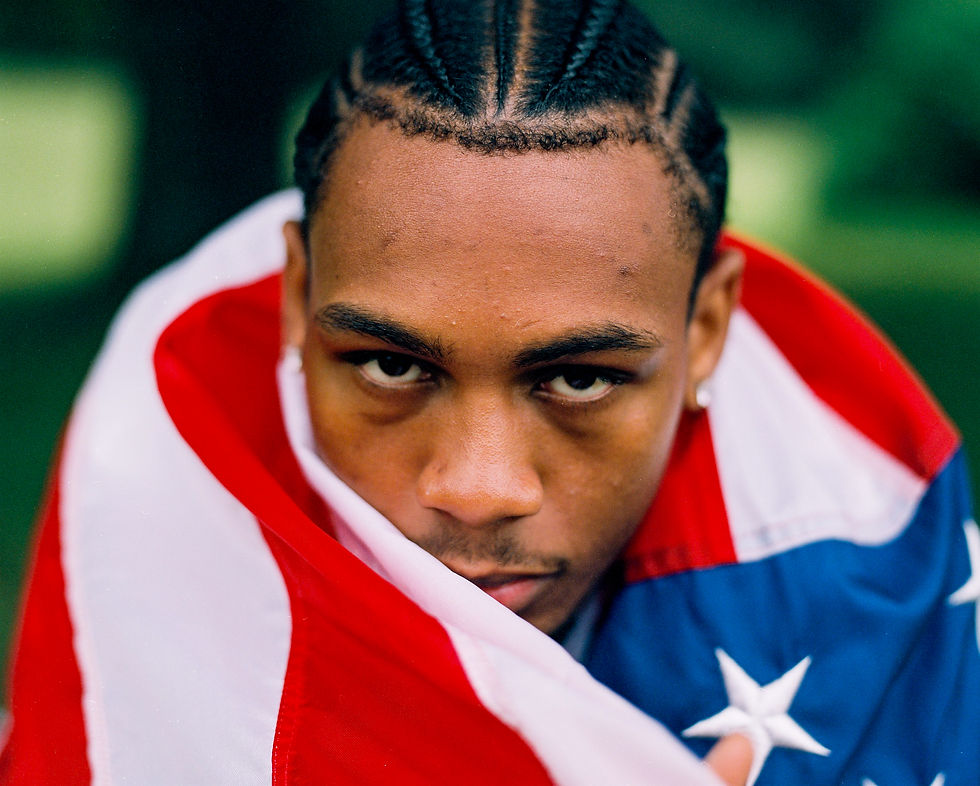
So far, the works in the series include:
1. “FOUR WOMEN” It’s become standard that my works now be accompanied by some form of music, and with this project I crafted a very intentional playlist to come with it once fully completed. FOUR WOMEN was inspired by the women that raised me. I attended an art school in DC called Children Studio School through my developmental years and was educated in the arts, social justice, and mental health by Black women and other women of color. Exposure to immigrants and their different cultures, and witnessing the resilience and strength of women who sacrifice everything to be the least protected, inspired this work, and it only made sense to pair it with Nina Simone’s classic — "Four Women."
2. “NOT YOUR MAMMY” The racist caricature of the mammy was one that haunted me and angered me. As a youth, we performed at Lincoln Theater on U Street and after, went under the stage in the dressing area. That’s where I heard it — a play about slavery with a mammy figure, and it was the part of the play where she was treated unkindly, for lack of a more tactful word. Learning about this history of how the mammy was viewed and how Black women were treated pushed the idea of a revenge-themed shoot. Seemed fitting to set this one to James Brown’s "Big Payback."
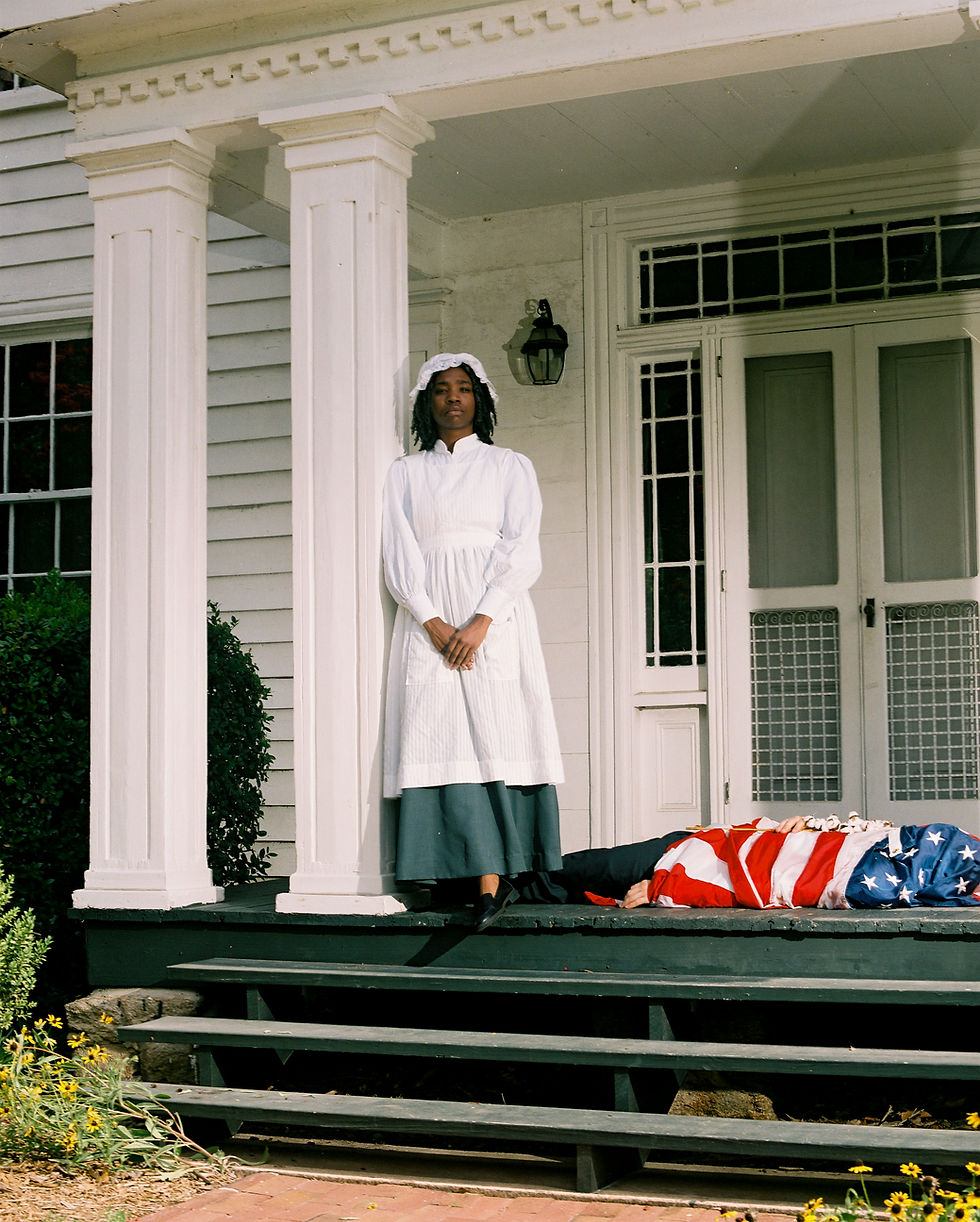
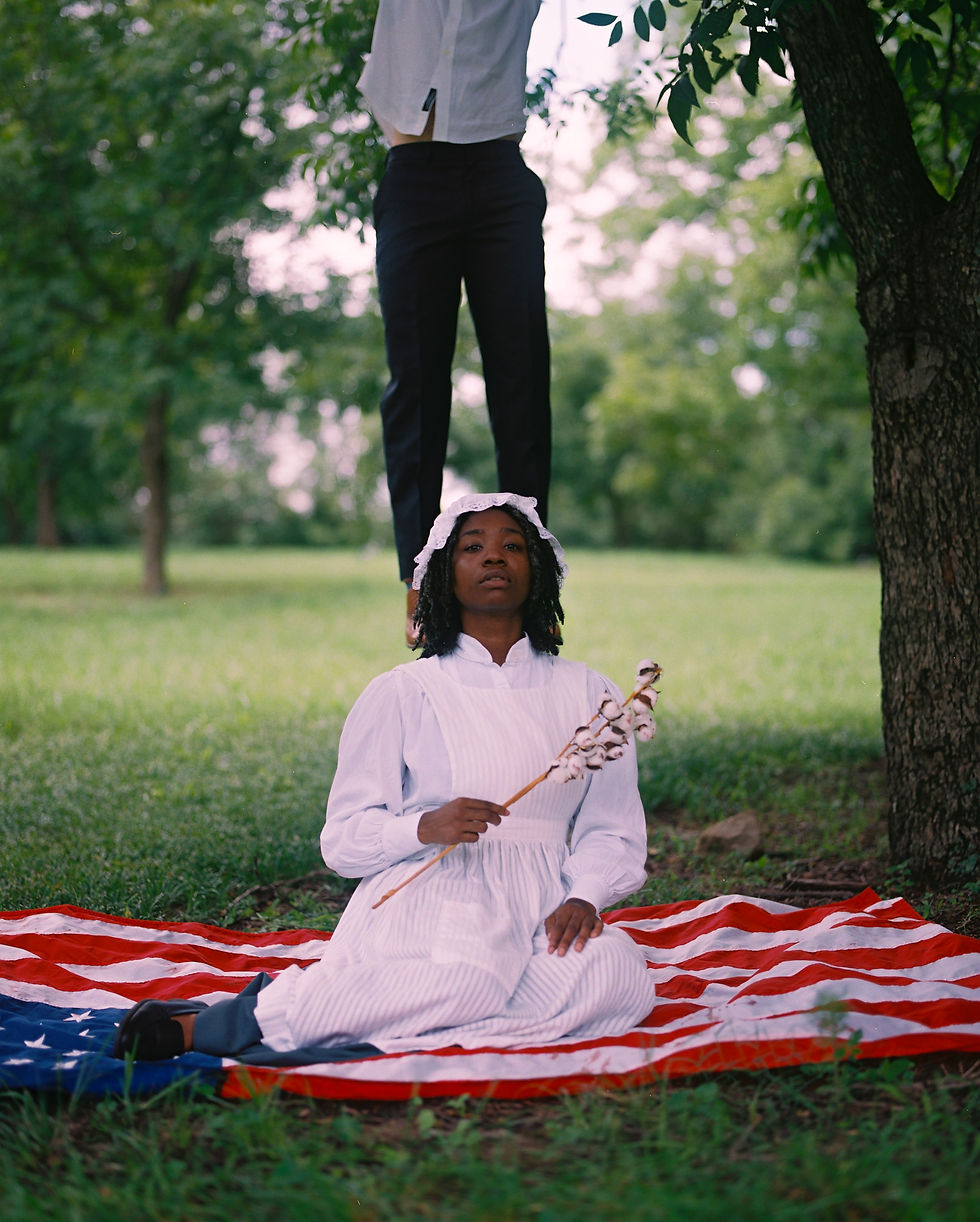
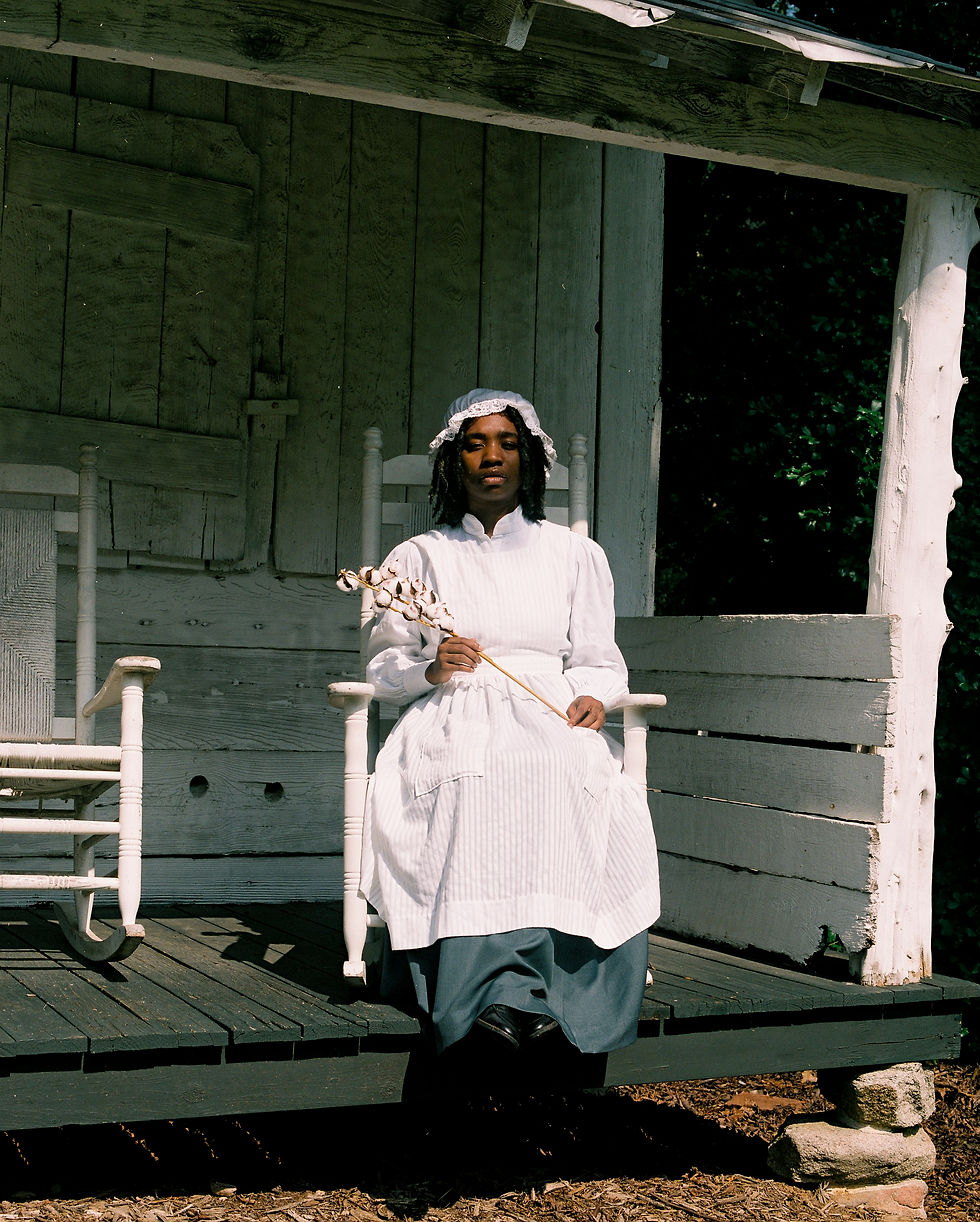
3. “FALLEN ANGEL” Lastly, the most recent shoot in the series is FALLEN ANGEL. The drug epidemic of the 80s served as a major inspiration for this shoot. When I think of the fallen, I think of those I pass every time I drive down Benning Road in DC or S. Wilmington St. in Raleigh. People who were once dreamers, had families, had a life that amounted to more than scratch-offs and cardboard signs on the medians of busy streets. When I think of the destroyer of worlds, I think of crack, heroin, fentanyl — the ravaging of families and households.
All photographs copyright Robert Carl Swann.
ABOUT THE PHOTOGRAPHER
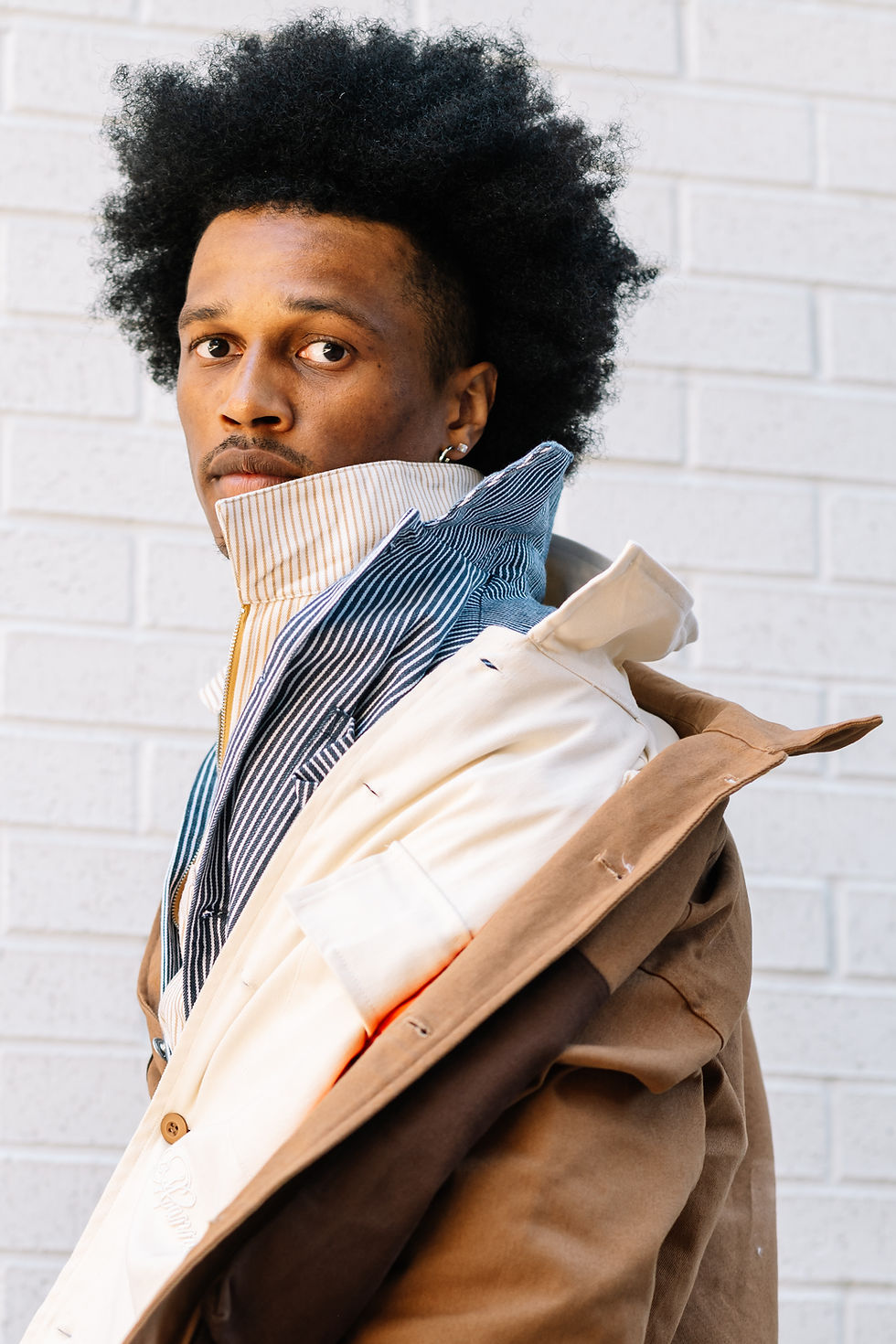
Robert Carl Swann is a multidisciplinary artist and writer with a desire to craft intimate, intentional works using unique visual styles to tell the stories of subjects from different backgrounds spanning the entirety of the US and internationally. His body of work spans photography, video, art/creative direction, poetry and other written works. With experience in creative projects, editorial photography and directorial works, he has crafted captivating visual experiences for clientele and been featured in several exhibitions. Robert has also been fortunate to work with various teams to collaborate and nurture new talents, fostering a healthy environment for creativity. His goal is impact: making an image, not taking one. The story of a subject—the vulnerability these works can offer—is a level of honesty that encourages understanding and connects people to experiences they otherwise wouldn't access.


Comments